Professional Business Card Template: A Modern Branding Solution
In a world saturated with digital noise, the physical business card remains a powerful tool for making a lasting impression. It’s more than just contact information; it’s a tangible piece of your brand identity. A well-designed card communicates professionalism, attention to detail, and the personality of your business before a single word is spoken. This is where a high-quality, modern professional business card template becomes an invaluable asset for anyone serious about their brand presentation.
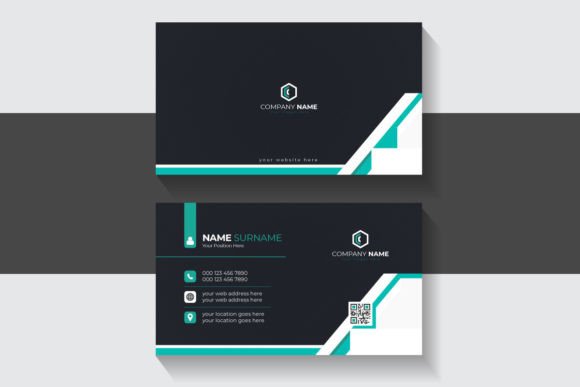
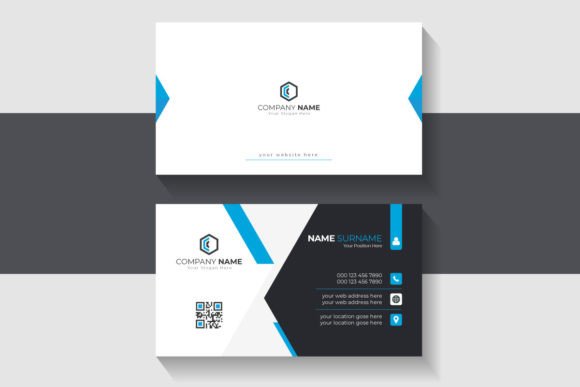
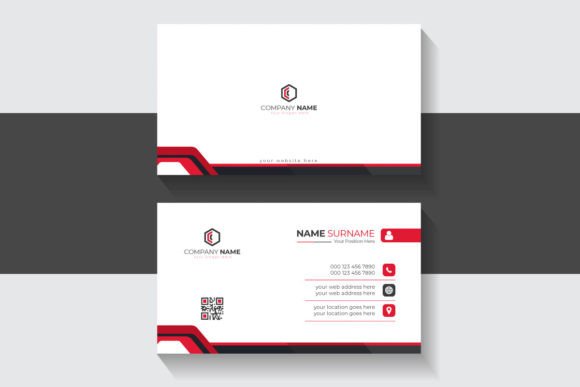
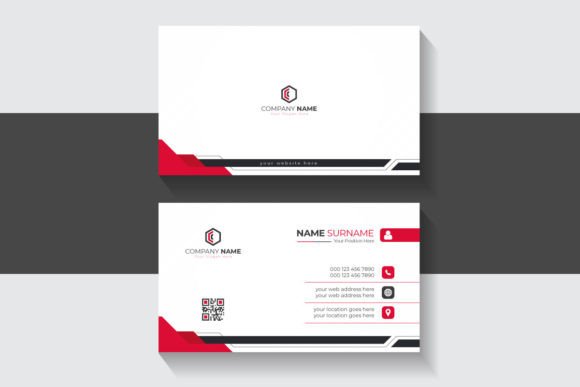
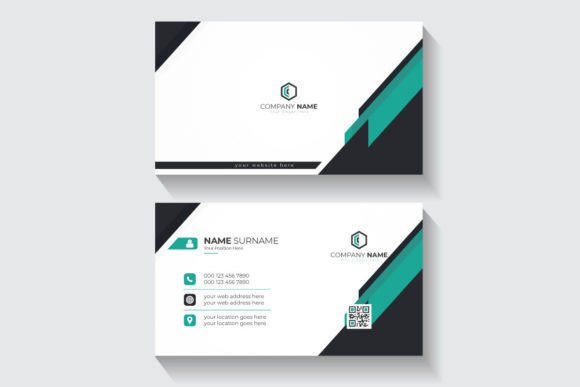
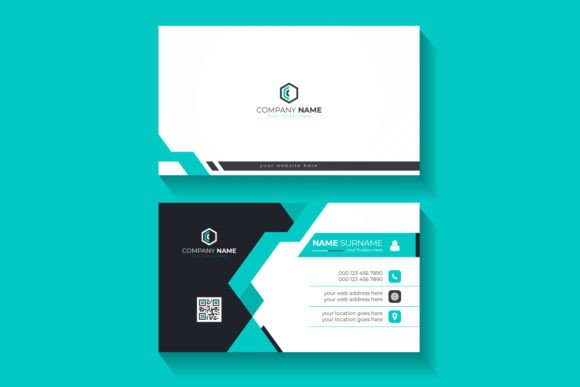
This particular template is crafted for the contemporary professional. Its visual style is defined by a clean, minimalist aesthetic paired with a dynamic abstract background. The design avoids clutter, focusing on clear typography and strategic use of space. The abstract elements—likely subtle gradients, geometric shapes, or fluid forms—add a layer of sophistication and visual interest without overwhelming the essential information. It projects a personality that is innovative, trustworthy, and forward-thinking, making it ideal for businesses that want to appear current and established. The overall appeal lies in its balance: it feels both creative and corporate, approachable yet authoritative.
Where This Template Excels: Practical Applications
The versatility of this business card template makes it suitable for a wide array of projects and professions. Its modern typography and clean layout are perfect for logo design presentations, allowing the brand mark to stand out. In editorial design, such a template could serve as a visual reference for magazine or book layouts, demonstrating a cohesive brand language. For packaging design, the abstract background could inspire surface patterns or label designs that carry the same modern feel.
Beyond print, the design principles translate seamlessly to web design and social media graphics. The color scheme and visual motifs can be adapted for website hero sections, Instagram posts, or LinkedIn banners, ensuring brand consistency across all touchpoints. Entrepreneurs and small business owners will find it particularly useful for creating a polished brand identity from the outset. Marketers can use it as a starting point for campaign collateral, while bloggers and content creators can establish a visual style that carries through their website, merchandise, and networking materials.
The Power of Editable Design Assets
What truly sets this resource apart are its practical features. The inclusion of fully editable files in formats like Adobe Illustrator EPS is a significant advantage. This means every object, color swatch, and line of text can be customized. You are not locked into a static design; you can adapt it to match your exact brand colors, adjust the layout to suit your content, and even modify the abstract background to better reflect your industry or style. The RGB color mode is optimized for digital screens, ensuring your design looks vibrant when shared electronically, though it can be converted for print projects.
The use of a free font is a thoughtful inclusion, removing a potential cost barrier and simplifying the process. However, a key part of working with any premium font or template is understanding font pairing. While the template comes with a suggested typeface, you should test how it interacts with other fonts you might use in your broader brand system. Does the suggested sans serif font pair well with a serif font for long-form text? Could a script font or handwritten font be used for accents? Experimenting with these combinations within the editable file helps you evaluate the project's fit and ensures your final design maintains strong visual hierarchy and readability.
Making It Your Own: A Strategic Approach
To get the most out of this business card template, approach it strategically. Start by defining the core message and personality of your brand. Is your brand voice formal or casual? Innovative or traditional? Use the template's clean structure as a foundation, but infuse it with your unique elements. Swap out the color palette to reflect your established brand identity. Ensure the typography aligns with your other design assets for consistency.
Practical testing is crucial. Print a proof to check how the colors and fine details translate to paper. Share a digital mockup with colleagues or your target audience to gauge their reaction. Does the design feel professional? Is the contact information immediately clear? Remember, the goal of modern typography in design is not just to look good, but to function effectively—guiding the reader's eye and enhancing comprehension. This template provides the professional and clean files needed to achieve that, but your careful customization will make it truly resonate and strengthen your brand recognition and audience engagement.