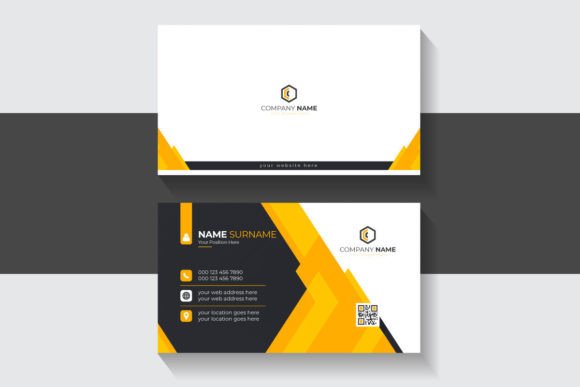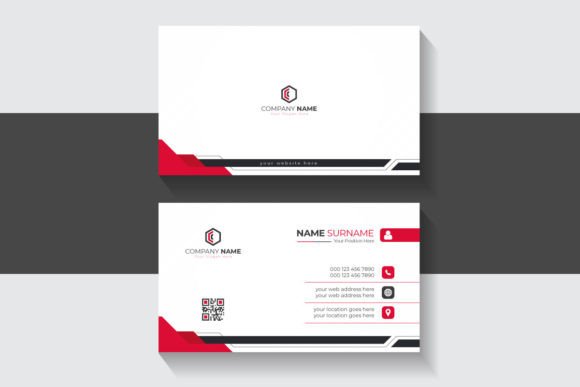
Red and White Business Card Design: Bold Branding for Modern Professionals
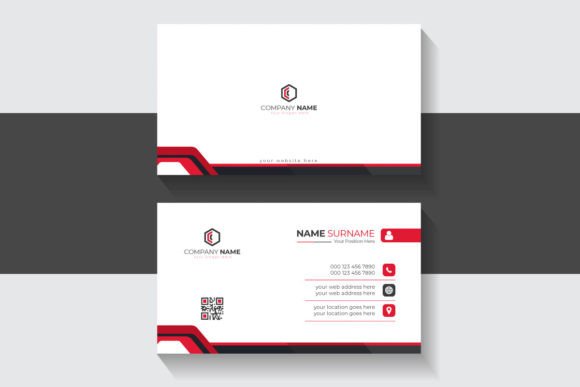
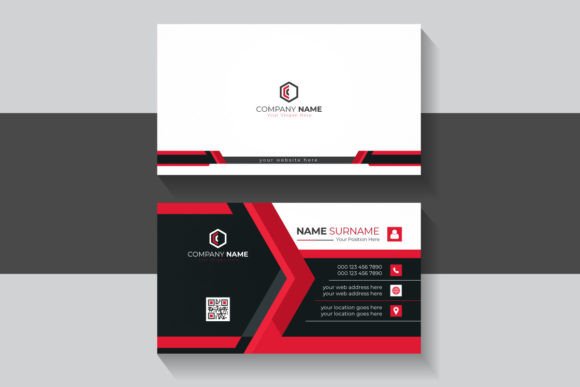
There’s something undeniably confident about a red and white color palette. It cuts through the noise. Whether you're handing a card to a potential client at a networking event or leaving a stack at a local coffee shop, the Red and White Business Card Design template makes an immediate impression. This isn’t just another generic layout—it’s a polished, professional asset built for entrepreneurs, freelancers, and small business owners who want their brand to feel both approachable and authoritative.
The design leans into clean geometry and high contrast. White space isn’t just empty here—it’s strategic. It lets the red elements breathe, drawing the eye exactly where it needs to go: your name, your title, your contact details. The abstract visiting card template adds a layer of visual interest without overwhelming the information hierarchy. It’s modern without being trendy, bold without being aggressive. That balance is harder to achieve than most people realize.
What Makes This Design Work So Well
Red is a color loaded with meaning—energy, urgency, passion, confidence. Paired with white, it becomes grounded. The contrast creates clarity, which is exactly what you want on a business card. People don’t linger over business cards. They scan, absorb, and move on. This template respects that reality by keeping the layout intuitive and the typography readable.
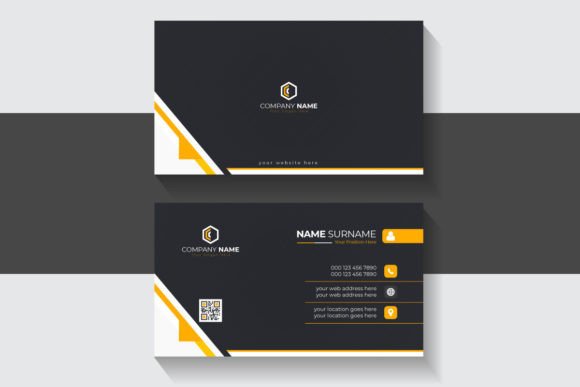
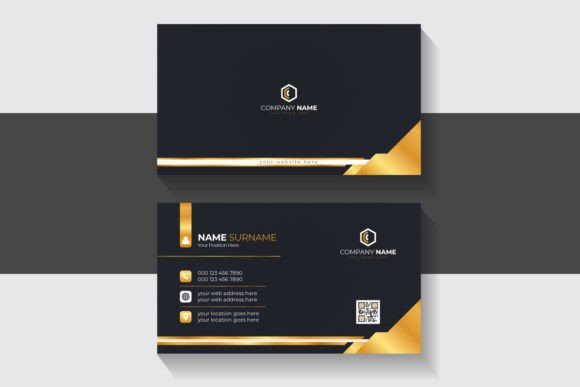
The abstract elements in the visiting card template serve a specific purpose. They add personality without competing with your content. Think of them as a visual signature—something that makes the card feel designed rather than assembled. For anyone working in creative fields—designers, marketers, bloggers, content creators—this kind of detail matters. It signals that you care about presentation, which often translates to how people perceive the quality of your work.
At 1200×800 pixels, the dimensions are optimized for both digital previews and print-ready output. You can use these files for mockups, social media posts, portfolio presentations, or direct printing. The RGB color mode ensures vibrant on-screen accuracy, which is especially useful if you're showcasing the design digitally before committing to print.
Practical Features That Save You Time
One of the biggest frustrations with design templates is rigidity. You download something that looks great in the preview, but then you can’t change the font, the colors are locked, or the layers are flattened into a single unusable image. That’s not the case here. This Red and White Business Card Design is built with full editability in mind.
Every object, color, and text element can be modified. Want to swap the red for a deeper burgundy to match your existing brand palette? Easy. Need to adjust the font size for better readability on smaller card stock? Done. The Illustrator EPS files give you professional-grade control, while the included images provide ready-to-use assets for quick turnarounds.
The free font used in the design is a practical choice. It’s clean, modern, and pairs well with a range of secondary typefaces. Whether you prefer a sans serif font for a contemporary feel or want to introduce a serif font for added sophistication, the base design accommodates both. That flexibility is critical for brand identity work, where consistency across materials—from business cards to letterheads to social media graphics—defines professionalism.
Where This Template Fits Best
Not every design asset works for every project. That’s worth stating clearly. But this particular template has a surprisingly wide range of applications. Here’s where it tends to perform strongest:
- Small business branding – If you're launching a new venture and need a polished card quickly, this gets you there without hiring a designer from scratch.
- Freelance portfolios – Designers, photographers, and consultants can use the abstract visiting card template to showcase their aesthetic sensibility.
- Event networking – Trade shows, conferences, meetups—anywhere you’re handing out cards in volume, this design stands out in a stack.
- Marketing collateral – The template works well as part of a broader brand identity system, pairing naturally with matching letterheads, envelopes, or social media templates.
- Digital presentations – Use the files in pitch decks, client proposals, or online portfolios where visual consistency matters.
Crafters and hobbyists will also find value here. If you sell handmade goods at local markets or run an Etsy shop, a well-designed card adds legitimacy. It tells customers you take your work seriously, even if your operation is small. That perception can directly influence purchasing decisions.
Design Considerations Worth Keeping in Mind
Before you start customizing, spend a few minutes thinking about your visual hierarchy. What’s the most important piece of information on your card? For most people, it’s their name and a way to get in touch—email, phone, or website. Make sure those elements are the most prominent. The abstract design elements should support that hierarchy, not distract from it.
Font pairing is another area where a little effort goes a long way. If you decide to introduce a secondary typeface, look for contrast without conflict. A modern typography sans serif pairs well with a simple serif for body text. Avoid mixing two decorative fonts—that almost always creates visual clutter. The goal is readability, especially at small print sizes.
Color consistency matters too. If you’re using this red and white palette, make sure it aligns with your broader design assets. Check how the red looks in print versus on screen. RGB and CMYK render differently, so if you’re moving to professional printing, convert the files and request a proof before running a full batch. That one step can save you from costly reprints.
Final Thoughts on Getting the Most from This Template
The Red and White Business Card Design template is a solid starting point—not a finished product. Its strength lies in its flexibility and professional foundation. You’re not buying a rigid, one-size-fits-all file. You’re getting a fully editable framework that adapts to your specific needs, whether you're building a logo design system, refreshing your editorial design materials, or creating packaging design mockups.
Treat it as a tool, not a crutch. Customize it thoughtfully. Test your changes at actual print size. Ask someone unfamiliar with your business to look at the card for five seconds and tell you what they remember. That simple exercise reveals whether your design communicates clearly—or whether it needs more refinement.
Good design isn’t about complexity. It’s about intention. This template gives you the structure. What you do with it determines whether your card ends up in someone’s wallet or in the recycling bin.